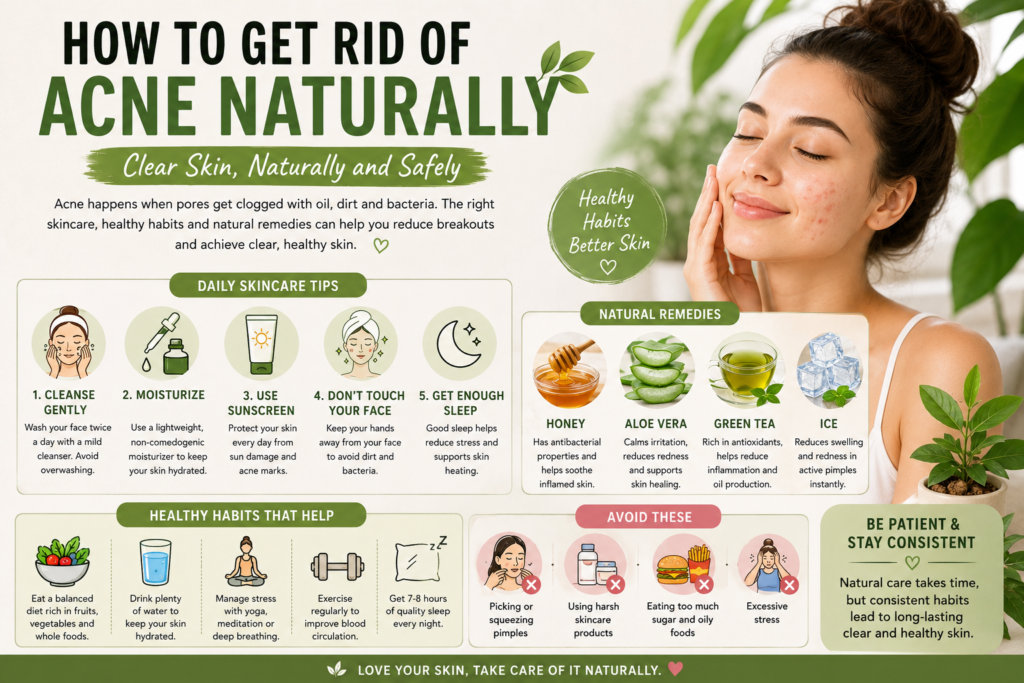
Acne is one of the most common skin concerns affecting people of all ages. While it is especially common during teenage years, adults also struggle with breakouts, pimples, blackheads, and oily skin. Acne can affect confidence, skin texture, and overall appearance, making many people search for fast solutions. However, harsh treatments and complicated skincare routines often make the problem worse instead of better. The good news is that acne can often be improved naturally through proper skincare, healthy habits, and consistent care. Natural acne treatment focuses on supporting your skin’s balance rather than damaging it with aggressive products. By understanding what causes acne and learning how to care for your skin correctly, you can reduce breakouts and achieve healthier, clearer skin over time.
Acne develops when pores become clogged with oil, dead skin cells, and bacteria. Several factors can contribute to this process, including hormonal changes, stress, poor skincare habits, diet, and genetics. Your skin naturally produces oil called sebum, which helps protect and hydrate the skin. However, excessive oil production can clog pores and create an environment where acne-causing bacteria thrive. When combined with dead skin cells and inflammation, pimples and breakouts begin to form. Acne can appear in different forms, including whiteheads, blackheads, pimples, cystic acne, and small bumps under the skin. Understanding your acne type helps you choose the right natural approach for treatment.
One of the most important steps in natural acne care is maintaining clean skin. Dirt, sweat, oil, and environmental pollutants can build up on your face throughout the day, increasing the risk of clogged pores. However, many people make the mistake of washing their face too often. Overwashing strips away natural oils and weakens the skin barrier, which can actually trigger more oil production and irritation. For most people, washing your face twice daily is enough, once in the morning and once before bed. Using a gentle cleanser suitable for acne-prone skin helps remove impurities without damaging your skin’s natural balance. Harsh scrubbing should always be avoided because it can increase inflammation and worsen breakouts.
Moisturizing is another essential step that many people with acne overlook. A common myth is that acne-prone or oily skin does not need moisturizer, but dehydrated skin can actually produce more oil to compensate for dryness. This imbalance may lead to more clogged pores and acne. Using a lightweight, non-comedogenic moisturizer helps maintain hydration, support the skin barrier, and reduce irritation. Healthy skin heals more effectively and responds better to treatment, making moisturization an important part of natural acne care.
Sun protection is equally important for acne-prone skin. Many people believe that sunlight helps dry out acne, but excessive sun exposure can damage the skin barrier and worsen dark spots left behind by pimples. Acne marks often become more noticeable when exposed to ultraviolet rays. Using a lightweight sunscreen daily helps protect healing skin, reduce pigmentation, and prevent long-term skin damage. Choosing a sunscreen designed for oily or acne-prone skin can help avoid a greasy feeling while still providing protection.
Diet can also influence skin health. While food alone does not directly cause acne for everyone, certain dietary habits may contribute to breakouts in some individuals. Excess sugary foods, highly processed snacks, greasy fast food, and excessive dairy consumption may trigger acne in certain people. A healthier diet rich in fruits, vegetables, lean proteins, healthy fats, and whole grains supports overall skin health. Drinking enough water is equally important because hydration helps maintain healthy skin function and supports your body’s natural repair processes.
Stress and lack of sleep are often overlooked causes of acne. When stress levels increase, your body releases hormones that may stimulate oil production and inflammation, increasing the likelihood of breakouts. Poor sleep also affects your skin’s ability to repair itself effectively. Improving sleep quality and managing stress through exercise, relaxation, and healthy daily habits can positively affect both your overall health and your skin condition.
Another important habit is avoiding touching your face frequently. Your hands come into contact with countless surfaces throughout the day, collecting dirt and bacteria. Touching your face transfers these impurities directly onto your skin, increasing the risk of clogged pores and breakouts. Picking or squeezing pimples can also worsen inflammation and increase the chance of scarring. Allowing pimples to heal naturally helps reduce long-term skin damage.
Natural remedies may also help support acne treatment when used carefully. Honey is known for its natural antibacterial and soothing properties, making it a popular option for calming irritated skin. Aloe vera is another commonly used natural ingredient because of its cooling and anti-inflammatory effects. Green tea contains antioxidants that may help reduce inflammation and excess oil production, while ice can temporarily reduce swelling and redness in inflamed pimples. Although these remedies may help some people, consistency and gentle use are important.
At the same time, it is important to avoid harsh DIY acne treatments that are often promoted online. Ingredients such as lemon juice, toothpaste, baking soda, and harsh scrubs can irritate your skin barrier and worsen acne. Natural skincare should support healing, not create additional irritation or sensitivity.
A simple skincare routine is often more effective than a complicated one. Many people use too many products in an attempt to clear acne quickly, but this can overwhelm the skin and increase irritation. A basic acne routine should focus on cleansing, moisturizing, and protecting the skin. In the morning, a gentle cleanser, lightweight moisturizer, and sunscreen are usually enough. At night, cleansing followed by moisturizer and any necessary treatment products can help support overnight skin repair. Consistency matters far more than the number of products you use.
Patience is essential when treating acne naturally. Many people expect overnight results and become frustrated when they do not see immediate improvement. In reality, acne treatment often takes several weeks or even months before noticeable changes occur. Frequently changing products or routines can slow progress and irritate the skin further. Staying consistent and allowing your skin time to heal naturally is one of the most important aspects of successful acne care.
Keeping pillowcases, towels, and personal items clean also helps reduce acne-causing bacteria. Dirty fabrics collect oil, sweat, and bacteria that can transfer back onto your skin. Changing pillowcases regularly and using clean towels can make a noticeable difference in skin cleanliness and overall health.
Exercise can support healthier skin by improving blood circulation and reducing stress. However, sweat left on the skin for long periods may contribute to clogged pores. Washing your face gently after workouts and wearing clean clothing helps prevent body acne and skin irritation.
Smoking and excessive alcohol consumption may also negatively affect your skin by increasing inflammation and dehydration. Reducing these habits supports overall skin health and may improve healing and skin clarity over time.
Hormonal acne is another common issue, especially during teenage years, menstrual cycles, or stressful periods. While natural skincare can help manage symptoms, severe or painful acne may sometimes require professional medical guidance. If acne becomes cystic, painful, or leads to scarring, consulting a dermatologist is recommended.
Many people unintentionally make acne worse through habits such as overwashing the face, using too many products, skipping moisturizer, or constantly changing routines. Avoiding these common mistakes can significantly improve your skin over time. Natural skincare focuses on long-term skin health rather than quick fixes. Supporting your skin with gentle care, proper hydration, healthy lifestyle habits, and patience creates the best environment for healing.
In conclusion, getting rid of acne naturally is possible when you focus on balance, consistency, and healthy habits. Instead of relying on harsh treatments or internet trends, supporting your skin with gentle skincare and a healthy lifestyle can lead to lasting improvements. Clear skin does not happen overnight, but small daily habits can make a significant difference over time. By understanding your skin’s needs, avoiding common mistakes, and following a simple routine consistently, you can reduce acne naturally and achieve healthier, clearer skin.
Quick Summary
To get rid of acne naturally, cleanse your skin gently twice daily, use lightweight moisturizer, wear sunscreen, maintain a healthy diet, stay hydrated, manage stress, avoid touching pimples, and keep your skincare routine simple and consistent. Healthy habits and patience are key to achieving long-term clear skin naturally.